Avoid substituting a generic budget or neighborhood label for the actual property. Confirm flood and coverage conditions, inspection findings, roof records, association obligations and city assessment balances. Keep transaction deadlines and trusted payment contacts organized; neither a low price nor cash financing eliminates these checks.
Ten Checks Worth Completing Before You Buy
This is a practical due-diligence list, not a ranking of the most frequent or costly mistakes. Use the home's documents and intended use, then assign each unresolved question to the appropriate inspector, provider, closing professional or public office.
1. Treating the Flood Zone as the Whole Risk Decision
Check the building's current flood information and elevation records where available, then consider mortgage terms and insurer conditions separately. Cash ownership or a location outside a high-risk mapped area does not eliminate exposure. Evacuation zones answer a different question.
2. Building the Budget From Generic Coverage Ranges
Request property- and use-specific coverage terms, exclusions and deductibles. Confirm whether wind is included before adding a separate wind expense, and examine flood coverage separately. A generic annual premium or a nearby home's policy is not your quote.
3. Treating an Inspection as a Substitute for Every Trade Review
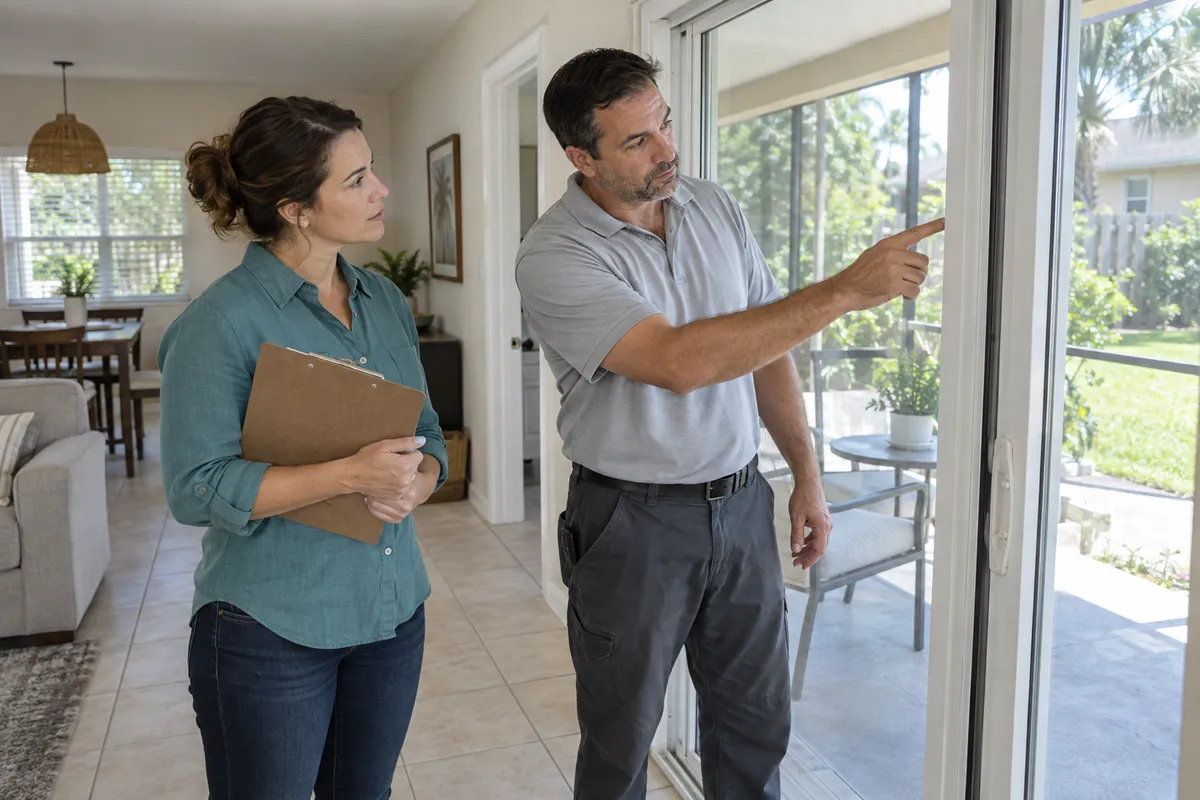
Confirm inspection scope, exclusions and timing. Review roof, structure, HVAC, pest, seawall or dock concerns as relevant, and obtain follow-up from a qualified trade when needed. Track investigation and notice deadlines in the signed contract rather than assuming a universal inspection period.
4. Looking at HOA Dues Without the Full Documents
Review association or condominium records, current dues, separate CDD charges, assessments, maintenance duties and use restrictions. Verify private amenity and rental rights for the actual home. A listing's single monthly figure does not establish all obligations.
5. Assuming Any Canal Provides the Same Access
Trace the complete freshwater or saltwater route and confirm vessel fit, bridges, depth, restrictions and recorded rights. Inspect dock and seawall condition where applicable. A canal view is not proof of Gulf access or permission to use a nearby facility.
6. Testing the Location Only During a Vacation
Try the daily routes and times you will actually use, including return trips, parking and transit where relevant. Consider seasonal traffic, heat, wet-season weather and leaving the property unattended. A holiday routine may not represent year-round living.
7. Using Roof Age as an Automatic Coverage Answer
For qualifying homeowners policies, F.S. 627.7011 bars refusal solely for age on roofs less than 15 years old. For roofs at least 15 years old, it provides an inspection opportunity through an authorized inspector; 5 years or more of remaining useful life prevents age alone being the refusal basis. The section excludes mobile-home and other non-homeowners policies and preserves other lawful underwriting grounds. This is not a coverage guarantee: review condition, records and the actual policy.
8. Assigning One Budget to Storm Preparation
Assess the home's existing protection, equipment condition, storage and maintenance needs. Obtain specific pricing for needed work and account for deductibles, supplies and an evacuation or property-care plan. Do not assume one improvement package fits every home.
9. Missing Utility or Other Assessment Obligations
For Cape Coral, check current city assessment and payoff information along with utility service and connection work. Separate unpaid balances from annual installments and confirm how the contract handles them. Elsewhere, verify the relevant provider and recorded obligations rather than applying a Cape-wide estimate.
10. Leaving Payment and Follow-Up Checks to Email
Agree on responsibilities, deadlines and trusted contact details with your purchase team. Before sending funds, confirm instructions through a previously established or independently verified contact method, not a new number in a last-minute email. If fraud is suspected after a transfer, contact the bank immediately.
Before You Commit Funds
- Track each unanswered property question, the responsible professional and the contract deadline.
- Match condition findings with written repair scopes, service records and provider requirements.
- Review the full cost and use obligations rather than a generic neighborhood or insurance label.
- Verify closing details and payment instructions through trusted contacts before transferring money.
Frequently Asked Questions
Continue Your Property Research
Official Sources and Transaction Checks
Reviewed October 17, 2026. Apply the current rules and actual transaction documents to the property; example figures are not quotes or a complete closing statement.
- Florida Statutes: homeowners roof-age and inspection provisions
- NFIP: coverage eligibility and mortgage conditions
- Citizens: insurer-specific flood conditions
- Florida DFS: homeowners policy coverage and exclusions
- Cape Coral: assessment balances and payoff information
- Cape Coral: canal and boating resources
- CFPB: protecting closing funds from scams
Ready to Make Your Move to SWFL?
Let's discuss your relocation goals and find the perfect SWFL neighborhood for your lifestyle.